RE:FORM - A glimpse of abstraction in Vietnam since Đổi Mới: Curated by Lê Thiên-Bảo
Abstraction in Vietnam is not a thing of the past, nor a belated extension of Western modernism. On the contrary, it constitutes one of the most enduring and progressive artistic approaches underpinning the foundations of the country’s contemporary art. As art historian Pamela N. Corey observes, although abstraction has never formed a unified field of discourse and was long absent from official art historiography (largely written from a Northern Vietnamese perspective), it nonetheless remained a space in which artists sought new visual languages to navigate the spiritual, political, and material transformations brought about by the Đổi Mới cultural and economic reforms of 1986.
After Đổi Mới, abstraction emerged as a form of liberation from socialist didacticism, as well as from the inherited anxieties of Western modernist debates. For artists in Southern Vietnam who continued to work after the end of the war in 1975 but had been compelled to abandon abstract expression, returning to abstraction also became a way to reclaim artistic freedom and to resume a creative trajectory that had been abruptly interrupted. Here, abstraction functions both as an aesthetic movement and as an act of resistance.
Presented at Galerie Frank Elbaz in Paris in collaboration with Galerie Bao, the exhibition Re:form is structured around this spirit of freedom. It traces the practices of five Vietnamese artists who, since Đổi Mới, have returned to abstraction while breaking away from its earlier conventions.
Nguyễn Tấn Cương (b.1954) and Đỗ Hoàng Tường (b.1963), two members of the pioneering Group of Ten that championed abstract practices in the early 1990s, have since taken divergent artistic paths.
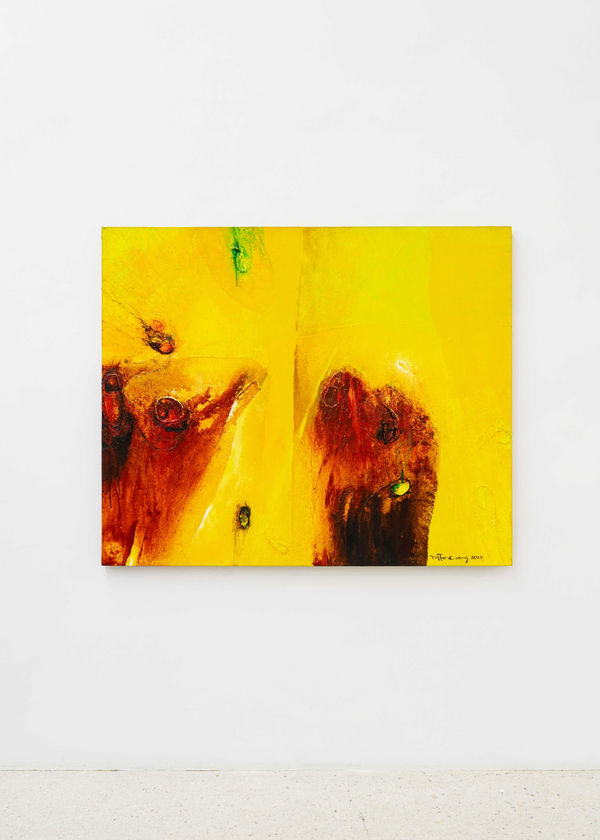
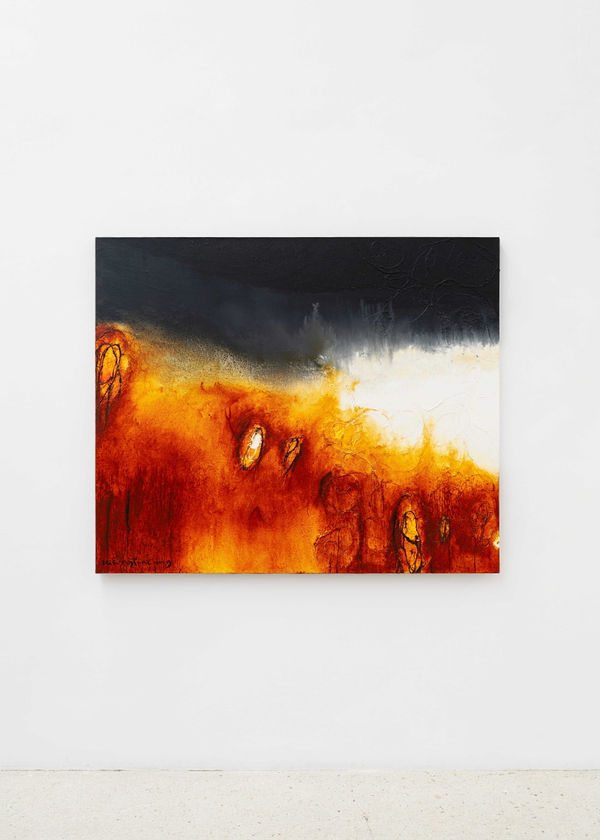
In Nguyễn Tấn Cương’s work, the cramped urban spaces of his early period have gradually transformed into an interior world of luminous, atmospheric suggestion. In the series "Stirring" he continues to construct a language of abstraction grounded in inner landscapes and primordial gestures rather than a clearly defined philosophical system.
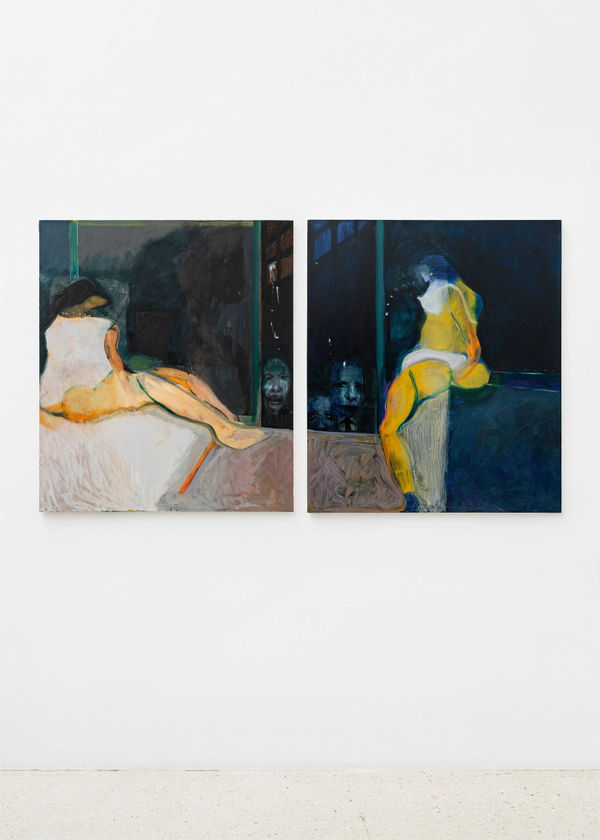
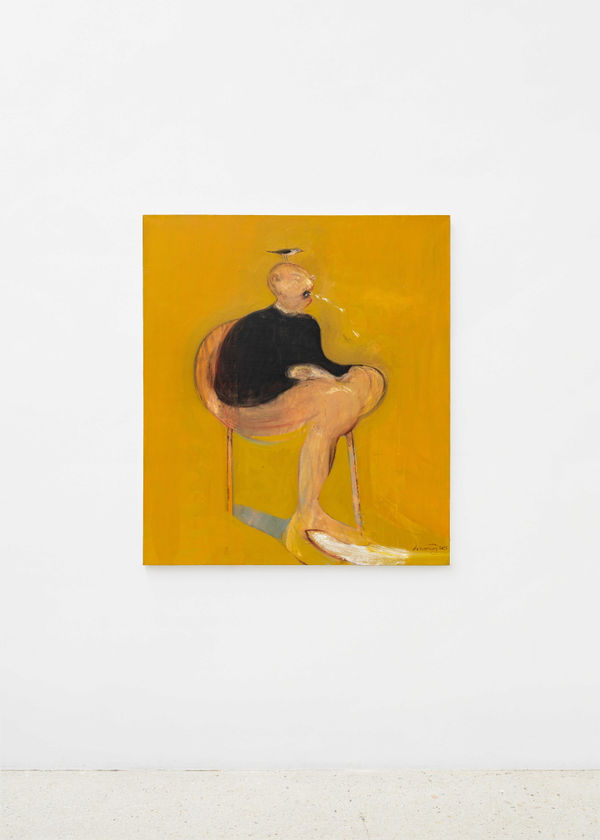
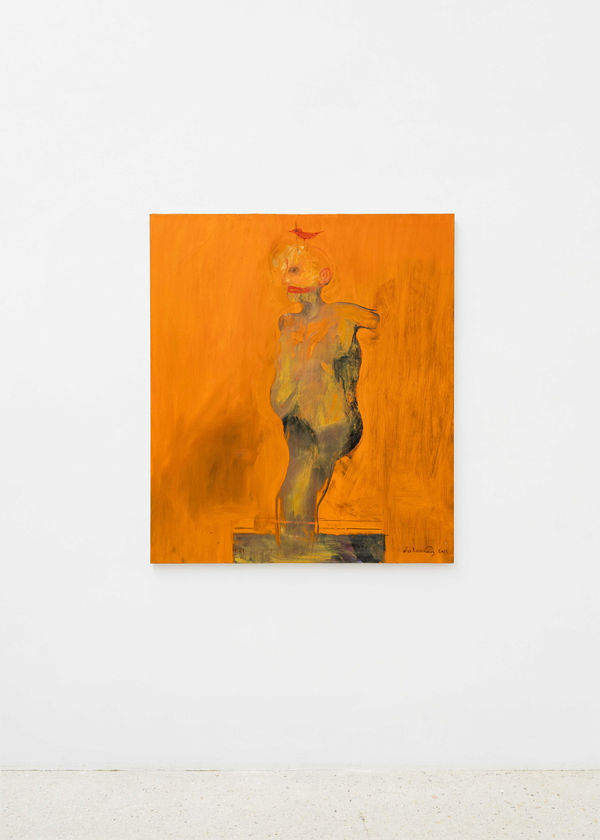
Đỗ Hoàng Tường abandoned abstraction, which he once called a "whisper," in the early 2000s in order to return to visceral corporeal forms that he describes as a "shout." The human figure in his work appears within fictional settings, in postures marked by restlessness and conflict between release and constraint. Ultimately, is creative freedom truly the final destination for the artist?
A younger generation, including Thảo Nguyên Phan (b.1987) and Trương Công Tùng (b.1986), approaches abstraction as a way of sensing rather than describing, extending it into conceptual practices, video, installation, and ecology.
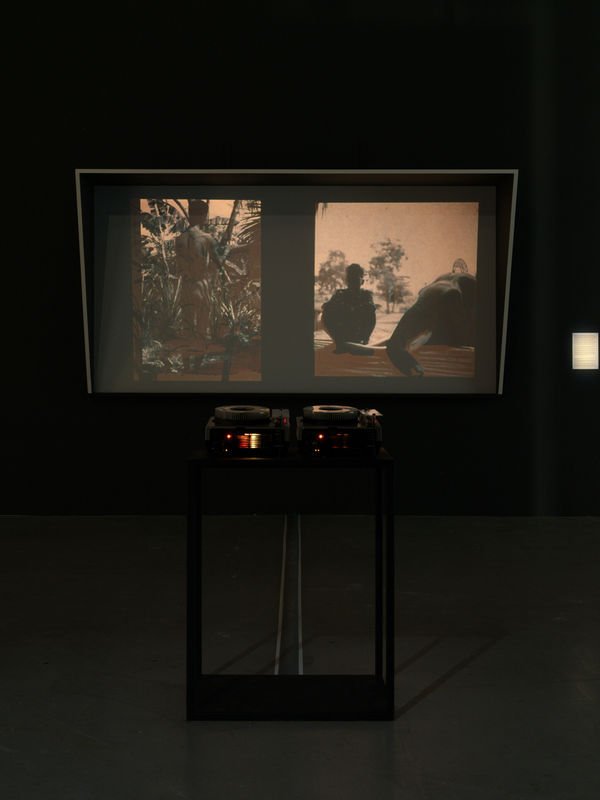
In “Forêt, Femme, Folie”, Thảo Nguyên Phan transforms the historical archives of missionary-anthropologist Jacques Dournes into a shadow-play projection suspended in a dreamlike atmosphere, where signs are inverted and transparent interpretation is resisted. Édouard Glissant refers to this principle as "opacity," the right to remain not entirely legible. Thảo Nguyên employs opacity to render a myth and a history that coexist, intertwine, and persist through drifting layers of mist.
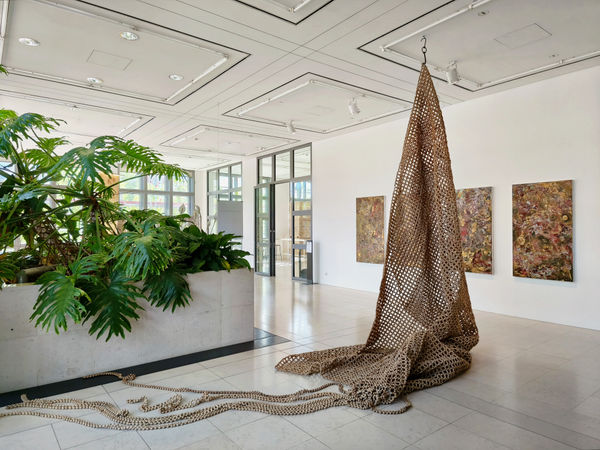
Trương Công Tùng constructs living structures from soil, resin, plants, and belief systems, expanding abstraction into worlds of spirits, climates, and cosmologies. His work "Day Wanes…, Night Waxes…" functions like the trace of an archaeological process, searching for the footprints of the cosmos. Standing beside it, "Long Long Legacies…" is a continuously transforming "sculpture" that changes with each installation, woven from thousands of wooden beads sourced from industrial and forest trees cut down across the Central Highlands during the economic expansion that followed Đổi Mới.
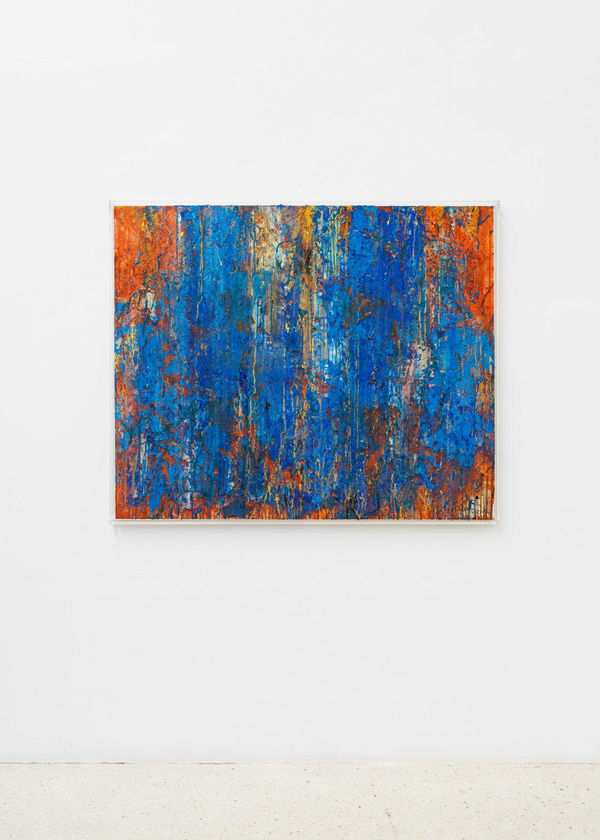
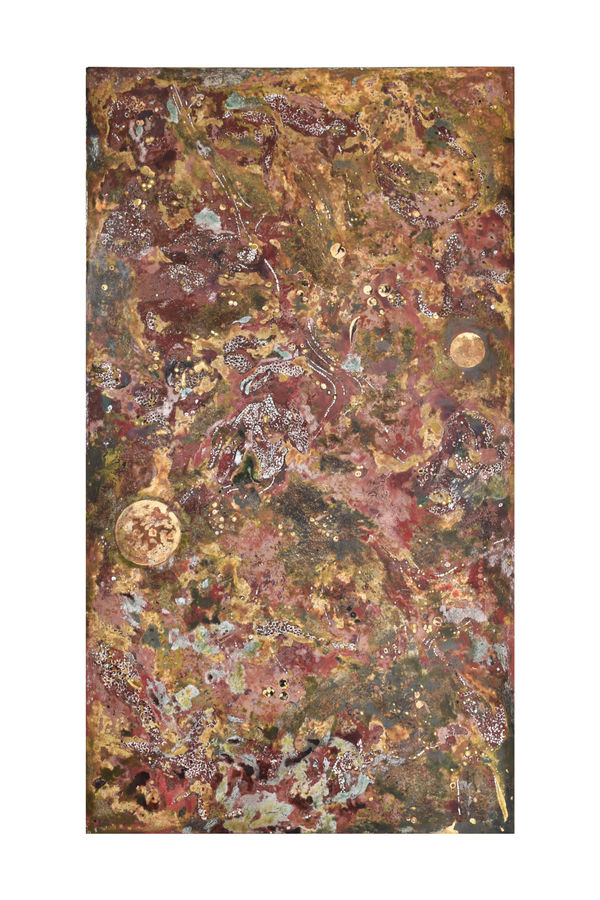
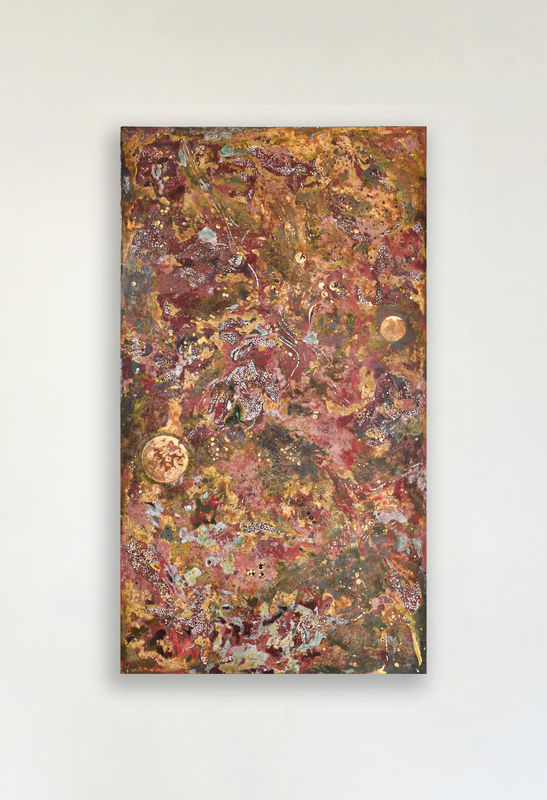
From Hanoi, artist Hà Mạnh Thắng (b. 1981) is seen as significant by the generation that stepped through the door opened in 1992. His gradual shift from figuration to de-figuration unfolds like a meditative journey. For him, abstraction is a temporal field in which history is not depicted but eroded, layered, and reconfigured. The series “The Ancient Monastery Walls” gathers from the faded surfaces of Baiju Monastery in Gyantse, Mongolia, an anchor upon which he layers a sense of compassion for the Sixth Dalai Lama, the only Dalai Lama said to have loved.
Re:form proposes that to look at abstraction in Vietnam is to look directly at the contemporary, with all its ruptures, fluidities, and unfinished possibilities. It is constantly reshaping itself in response to the cultural, political, and ecological shifts of the country. In this context, abstraction is not a universal style borrowed from the West but an aesthetic response to the complexities of post-socialist life, the afterlives of war, and the intensifying pressures of modernization and global exchange.
Lê Thiên-Bảo
Curator / Founding Director of Galerie Bao
-
 Hà Mạnh Thắng, Where Are The Traces of Tsangyang Gyato's poem #1, 2026
 -
Đỗ Hoàng Tường, Apartment, 2025
-
Đỗ Hoàng Tường, Untitled, 2025
-
Đỗ Hoàng Tường, Red Bird, 2025